
Residential Gutter Materials Compared: Aluminum, Steel, Copper, and Vinyl
Residential gutter materials compared: aluminum, steel, copper, and vinyl help homeowners choose the best options, and local contractors can expertly install the right gutters for your home.
Understanding the differences between residential gutter materials-such as aluminum, steel, copper, and vinyl-is an important step for property owners considering gutter installation or replacement. Each material offers unique advantages and considerations that can impact durability, appearance, and long-term performance. Homeowners in the area often explore this topic to make informed choices that best suit their property's needs, whether aiming for a low-maintenance solution or a more decorative finish. As you read on, you'll find practical insights into how these materials compare and how local contractors specializing in gutter installation can help bring your project to life with expert guidance.
Choosing the right gutter material can influence not only the aesthetic appeal of a home but also its ability to withstand local weather conditions and resist damage over time. Property owners who want to ensure their gutters perform reliably often turn to experienced service providers in the community. These local contractors can assess your specific property needs and recommend the best material options, ensuring your gutters are installed correctly and function effectively. Keep exploring to discover how different residential gutter materials compare and how professional installation can make a meaningful difference in protecting your home.
- Residential gutters installation - homeowners considering different materials may seek local contractors to ensure proper fitting and secure attachment of aluminum gutters.
- Residential gutters installation - when choosing steel gutters, local service providers focus on durable installation techniques suited for heavy-duty metal options.
- Residential gutters installation - copper gutter projects often require precise handling and expert installation from local pros familiar with delicate metal work.
- Residential gutters installation - vinyl gutter installation involves straightforward methods, with local contractors ensuring seamless integration with existing home exteriors.
- Residential gutters installation - selecting among materials like aluminum, steel, copper, or vinyl, homeowners can rely on local service providers for tailored installation approaches.
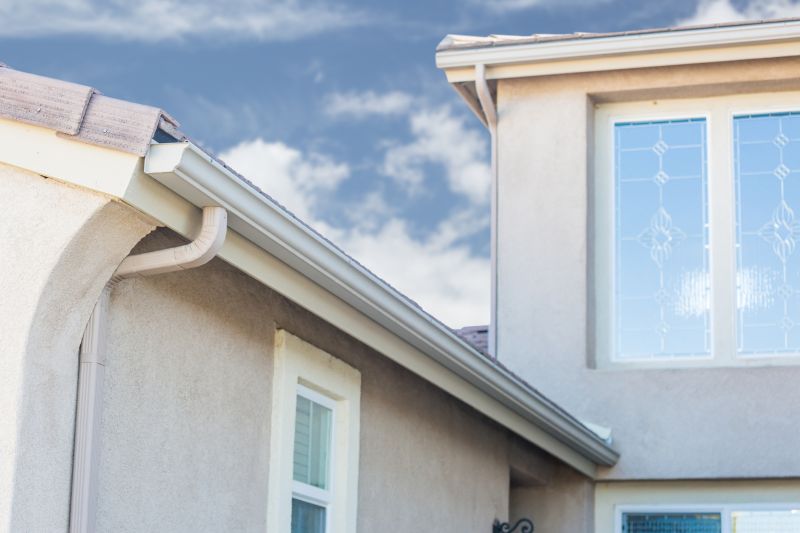

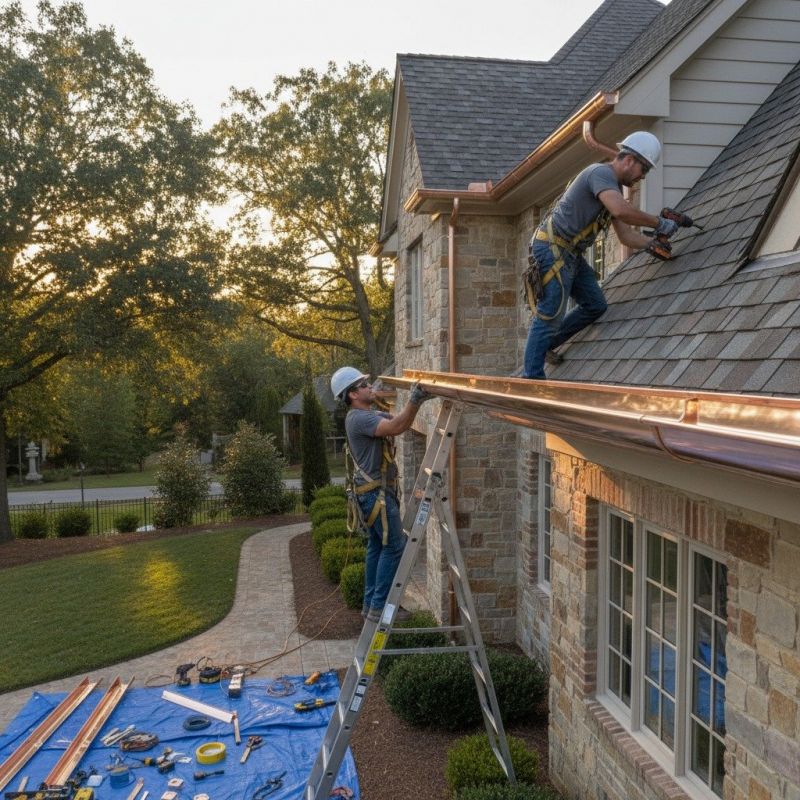
When homeowners explore residential gutter materials compared: aluminum, steel, copper, and vinyl, they are often trying to understand which option best suits their property’s needs. This search typically relates to planning a gutter replacement or new installation, aiming to improve water drainage and protect the home’s foundation and landscaping. Many property owners are concerned about durability, appearance, and maintenance requirements, especially if their home faces frequent weather challenges or has specific aesthetic preferences. The choice of gutter material can influence the longevity and performance of the system, making it a key consideration in home improvement projects. Local contractors specializing in residential gutters can provide guidance on which materials perform best in different environments and help match options to the homeowner’s specific property.
Different types of residential gutter materials come with their own advantages and limitations, which are important for homeowners to understand. Aluminum gutters are popular for their light weight, resistance to rust, and affordability, making them suitable for most standard homes. Steel gutters tend to be stronger and more impact-resistant, often chosen for properties in areas prone to storms or where extra durability is desired. Copper gutters are valued for their distinctive appearance and natural corrosion resistance, often used on more upscale or historic homes where aesthetics are a priority. Vinyl gutters are a budget-friendly choice that is easy to install and low-maintenance but may be less durable over time, especially in extreme weather conditions. Local service providers can help evaluate the property’s environment and recommend the best material to meet both functional and aesthetic needs.
The types of properties that typically come up in discussions about residential gutter materials include a wide range of home styles and ages. Single-family houses, townhomes, and historic residences often have different requirements for gutter systems based on their design and location. For example, older homes with decorative features might benefit from copper gutters to match their architectural details, while newer suburban homes may opt for aluminum or vinyl for cost-effectiveness and ease of installation. Commercial or multi-unit residential buildings might also have specific needs that influence material choice, such as higher impact resistance or longer-lasting options. Local contractors experienced in residential gutter installation can assess these property types and recommend the most suitable materials to ensure proper drainage and aesthetic cohesion.
Ultimately, choosing the right gutter material involves considering the property’s environment, structural demands, and visual preferences. Homeowners who understand the differences between aluminum, steel, copper, and vinyl can make more informed decisions aligned with their project goals. Engaging with local service providers ensures that the installation is handled professionally and that the chosen materials are properly suited to the property’s specific conditions. Whether upgrading existing gutters or installing new ones, connecting with experienced contractors can help achieve a durable, effective, and visually appealing gutter system that protects the home for years to come.
Roofing Projects - Installing or replacing roofing systems often involves planning for gutter integration, making roofing contractors familiar with gutter materials and their compatibility.
Siding Installation - Siding projects require precise planning and tools similar to gutter work, and local contractors experienced in siding often handle gutter material comparisons as part of exterior upgrades.
Exterior Painting - Painting exteriors involves surface prep and material selection skills that overlap with understanding different gutter materials and their installation requirements.
Downspout and Drainage System Setup - Installing downspouts and drainage components shares skills with gutter material installation, requiring knowledge of materials and planning for water flow.
Fascia and Soffit Replacement - Replacing fascia and soffits involves working with exterior materials similar to gutter systems, often handled by the same set of local contractors.
Home Renovation Projects - Broader renovation work includes planning for gutter material choices, requiring coordination with local pros skilled in exterior finishing and material installation.
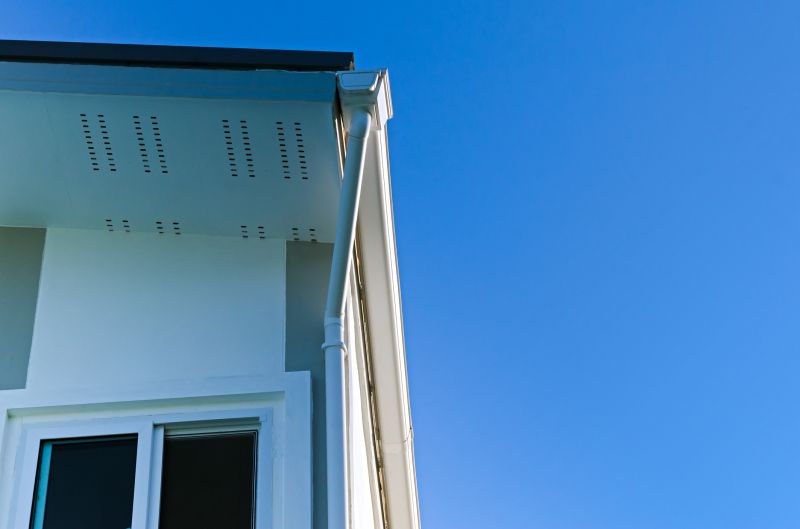
When evaluating residential gutter materials compared: aluminum, steel, copper, and vinyl, it’s important to consider a contractor’s experience with similar projects. Homeowners should seek service providers who have a proven history of installing the specific type of gutter material being considered, as different materials require distinct installation techniques and expertise. An experienced contractor can ensure that the chosen material performs well in the local climate and aligns with the home’s architectural style, ultimately contributing to a more durable and effective gutter system.
Clear, written expectations are essential when comparing local contractors for gutter installation. Homeowners should request detailed proposals that outline the scope of work, including the type of gutter material, installation process, and any additional services such as downspout connections or repairs. Having this information in writing helps prevent misunderstandings, ensures that all parties are aligned on project deliverables, and provides a basis for evaluating the professionalism and thoroughness of each service provider.
Reputable references and good communication are key factors to consider when choosing a local contractor for gutter installation. Asking for references from previous clients who had similar gutter materials installed can provide insights into the contractor’s workmanship and reliability. Additionally, service providers who communicate clearly, respond promptly to questions, and provide detailed explanations demonstrate professionalism and a commitment to customer satisfaction. These qualities help ensure a smooth installation process and a final result that meets expectations.
Property owners often search for residential gutter materials compared: aluminum, steel, copper, and vinyl when they are planning practical projects around their homes and businesses. Local pros provide Residential Gutters Installation services for everyday jobs and straightforward project options.
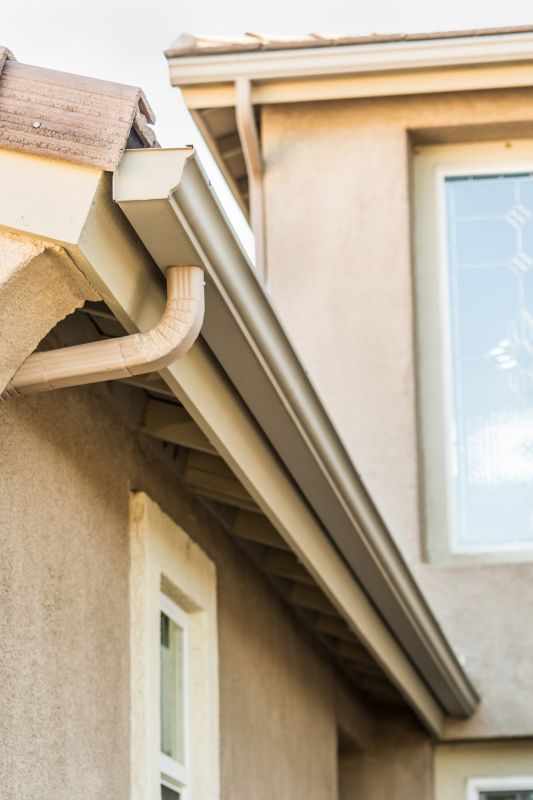
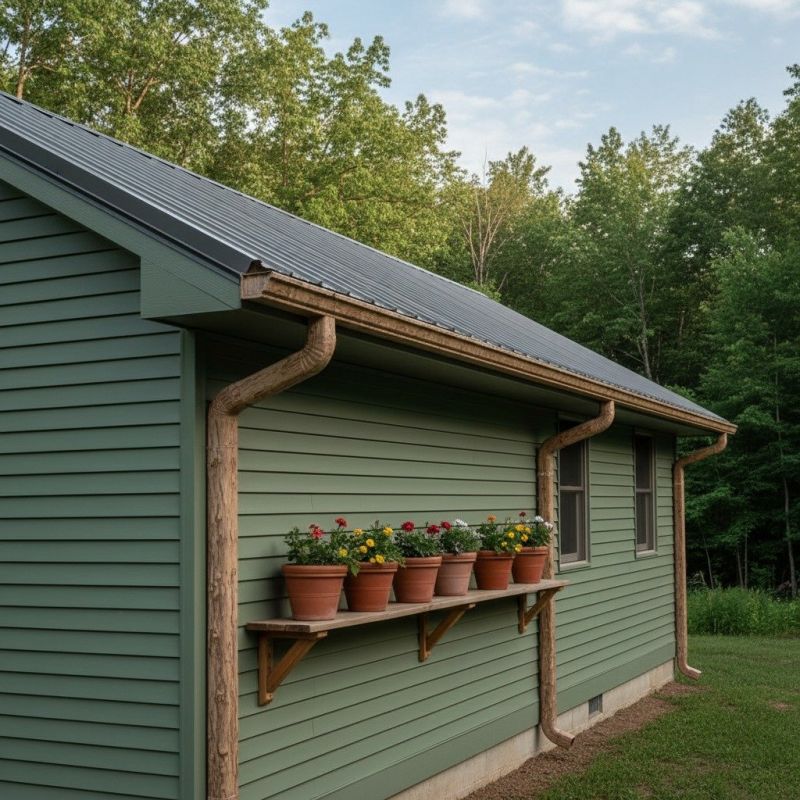
When considering residential gutter materials compared: aluminum, steel, copper, and vinyl, property owners often evaluate factors like durability, appearance, and maintenance needs. For everyday projects, choosing the right material can impact how well gutters withstand local weather conditions and how much effort is needed for upkeep. Many homeowners turn to local contractors for installation services because they can provide expert advice tailored to the specific demands of the area, ensuring gutters are installed correctly and will perform reliably over time.
Understanding the differences between these gutter materials helps property owners make informed decisions during installation. For example, aluminum gutters are lightweight and resistant to rust, making them a popular choice for their ease of installation. Steel offers strength and longevity but may require additional treatments to prevent rust, while copper provides a distinctive look and excellent durability but often comes at a higher cost. Vinyl gutters are budget-friendly and easy to install, but they may be less durable in extreme weather. Local service providers can help evaluate these options based on the home's needs and ensure the right material is used for a long-lasting, effective gutter system.
What are the main differences between aluminum and steel gutters? Aluminum gutters are lightweight and resistant to rust, making them easy to install and maintain. Steel gutters are stronger and more durable but may require protective coatings to prevent corrosion. Local contractors can help determine which material suits a home's needs and handle proper installation.
How does copper compare to vinyl gutters in residential applications? Copper gutters offer a distinctive appearance and long-lasting durability, but they are more expensive and require professional installation. Vinyl gutters are affordable, lightweight, and easy to install but may be less durable over time. Local service providers can advise on the best choice based on style and longevity preferences.
Are there advantages to choosing aluminum gutters over other materials? Aluminum gutters are popular for their combination of affordability, resistance to rust, and ease of installation. They require minimal maintenance and are available in various colors. Local pros can install aluminum gutters efficiently and help select the right finish for a home's exterior.
What should homeowners consider when choosing between steel and copper gutters? Steel gutters are typically more affordable and durable, suitable for areas with harsh weather. Copper gutters are more decorative and resistant to corrosion, often used for aesthetic appeal. Local contractors can assess environmental factors and recommend the best material for long-term performance.
Can local pros help with installing different gutter materials? Yes, experienced local service providers can install a variety of residential gutter materials, ensuring proper fit and function. They can also advise on the best material options based on a home's architecture, climate, and maintenance preferences.
Assessing durability needs - property owners can consider how different residential gutter materials compared: aluminum, steel, copper, and vinyl, hold up against weather and wear when planning gutter replacement or upgrades with local contractors.
Matching style and property type - choosing between these gutter materials allows property owners to select options that complement their home's architecture and aesthetic, with local pros providing guidance on material suitability.
Considering maintenance requirements - understanding the upkeep for each gutter material helps property owners decide which is manageable for their lifestyle, with local contractors offering installation options that minimize ongoing care.
Evaluating long-term performance - comparing how each material withstands environmental factors over time enables property owners to select gutters that will perform reliably, with local pros assisting in choosing the best material for their specific location.
If you are thinking about residential gutter materials compared: aluminum, steel, copper, and vinyl for a property, this guide is meant to help you understand this topic, the typical project types, and how different options might fit your plans.
When you are ready, you can use the quote form on this page to share a few details about your project. From there, local pros can review the basics and follow up with options that match what you have in mind.